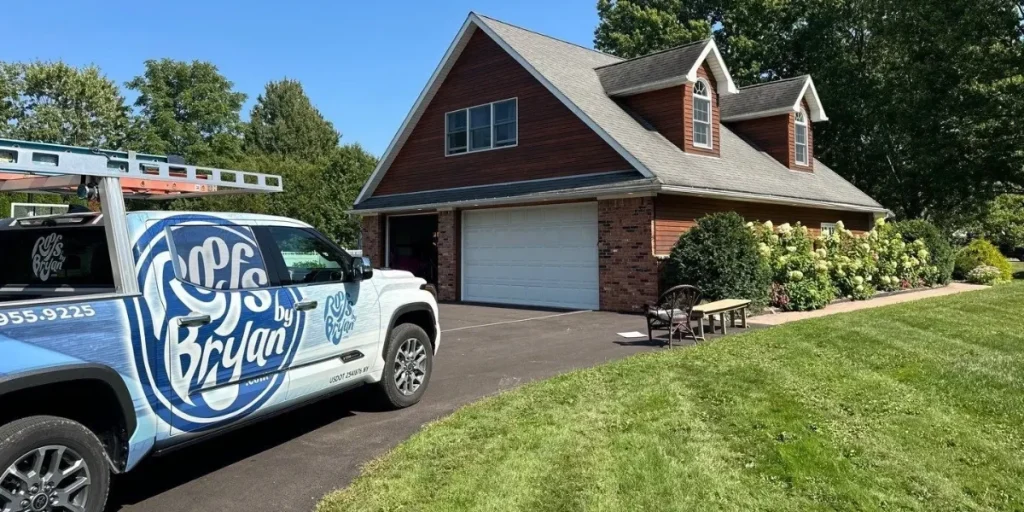
Western New York homeowners have asked one question more than any other that Roofs by Bryan has helped answer: Is this a roof repair or a full replacement? It’s a fair question, and not always an easy one to answer on your own. A roof problem can look small on the surface while hiding something bigger underneath, and guessing wrong can cost you real money either way.
The good news is that most roofs give off clear signals about what they need. Age, the size of the damage, and how your roof has held up over time all point toward the right answer. This guide breaks down what separates a simple repair from a project that calls for a full replacement, so you can make a confident, informed decision for your home.
Roof Repair or Full Replacement? Start Here
The choice often comes down to a few key factors: how old your roof is, how widespread the damage is, whether the underlying deck is still solid, and the overall condition of the roofing system. A newer roof with one problem area is often a strong candidate for repair. An older roof with damage spreading across multiple sections may be telling you it’s time to start fresh.
Bryan Tramontana founded this company after years of working in the construction industry, and even as a home inspector. He remembers watching shoddy repairs get passed off as good work. That background shapes how every roof gets evaluated today.
When a Roof Repair Gets the Job Done
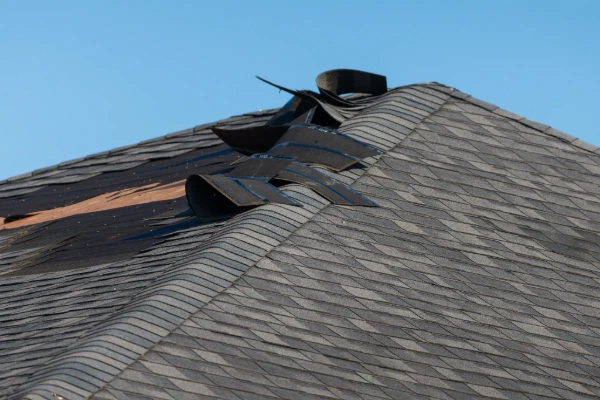
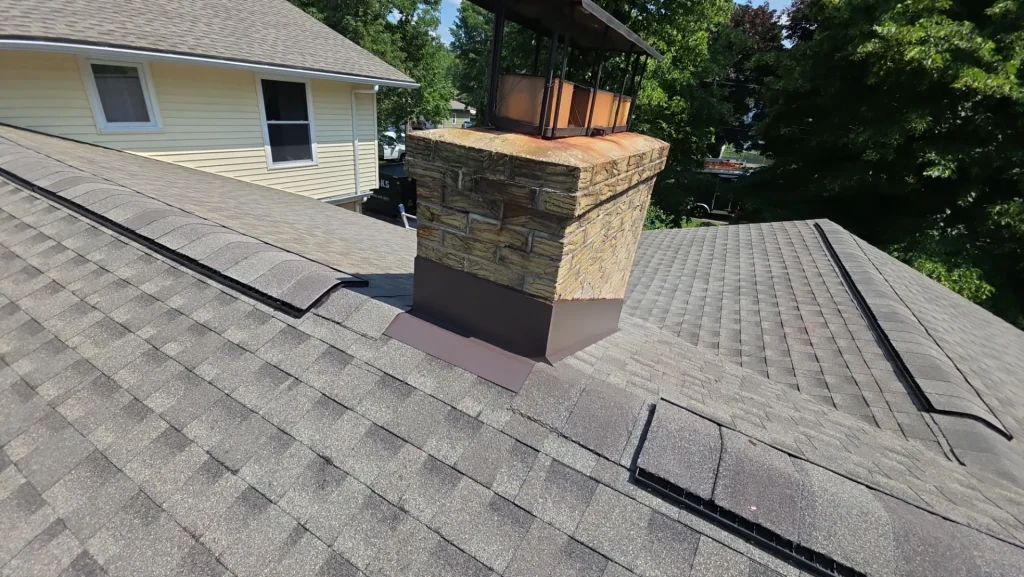
Repairs are usually the right call for localized damage. Think a handful of missing or cracked shingles, a leak that stays confined to one spot, or minor flashing issues around a chimney or vent. If your roof is under 15 years old and otherwise structurally sound, a repair can often solve the problem without the cost of full replacement. Age isn’t the only factor, though, so the condition of the entire roofing system still matters.
Material matters here, too. Asphalt shingle roofs can often be repaired section by section when damage is isolated. Whether a flat roof needs a repair or full replacement depends on the age of the system, the extent of the damage, and the condition of the roofing underneath.
Warning Signs Your Roof Needs a Full Replacement
Some problems make replacement much more likely, even when the roof isn’t especially old. Widespread shingle damage, including curling, cracking, or bald spots where granules have worn away, is one of the clearest signs. A sagging roof deck is another serious warning sign and can indicate moisture damage or a structural problem that needs prompt attention.
Persistent leaks in more than one area, light coming through the attic, or a roof reaching the end of its expected lifespan are all red flags, too. When to repair or replace a roof often comes down to pattern recognition. One isolated leak may be repairable. Leaks showing up in different rooms at different times can indicate a larger roofing problem, but an inspection is needed to determine whether the cause is localized or affecting the whole system.
Repair vs Replacement Costs: What to Budget For
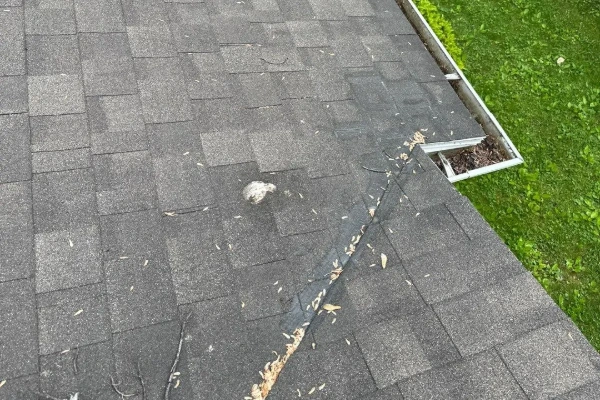
Cost is often the deciding factor, and it helps to understand the potential expense before you get a quote. Minor roof repairs can run from a few hundred dollars to $1,500 or more, depending on the materials needed, accessibility, and the extent of the work. National cost estimates for a full roof replacement typically range from $10,000 to $30,000 or more, depending on the roof’s size, pitch, complexity, location, and chosen materials. Actual Western New York pricing will depend on the specific home and project, but averages around $20,000.
Material choice moves the number, too. Standing seam metal costs more than asphalt shingles. Exposed-fastener metal systems cost much less but are a poor alternative because the fasteners can loosen over time, leading to leaks.
Is it better to repair or replace a roof from a pure cost standpoint? If your roof still has years of useful life left and the damage is isolated, repair usually wins. If you’re facing repeated repair bills on an aging roof, those costs add up fast, and replacement can be the better long-term investment.
Can You Just Add a New Layer of Shingles?
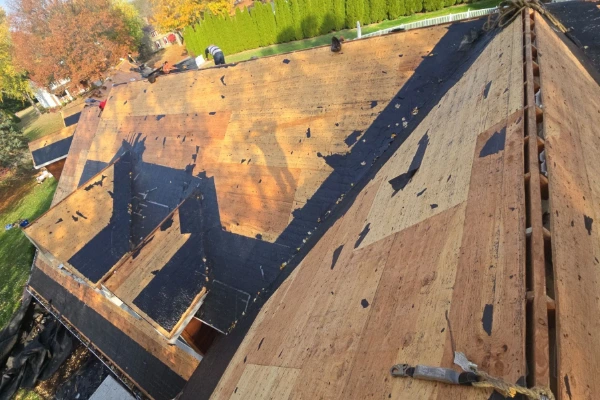
Re-roofing, which means laying new shingles directly over the old layer, may be permitted under the New York building code in certain situations when code requirements and manufacturer installation instructions are met. It sounds like an easy shortcut, and it can cost less upfront. Roofs by Bryan does not install a second layer of shingles and instead removes the existing roofing before installing a replacement.
Layering shingles can hide whatever is happening underneath, including rot or water damage that might otherwise be discovered during a tear-off. It also adds weight to the structure of the roof and can make it harder to evaluate the condition of the roof deck, flashing, and other components. Removing the existing roofing gives the contractor a chance to inspect what’s underneath and address problems before the new roof goes on.
How Long Should Your Roof Last?
Roofing materials age at very different rates, and knowing your material’s expected lifespan helps you plan ahead instead of reacting to an emergency. These ranges are useful guidelines rather than guarantees. Installation quality, ventilation, weather exposure, maintenance, and the specific roofing product can all affect how long a roof actually lasts. A roof nearing the end of its expected life deserves closer attention, even if it looks fine from the ground.
We use architectural shingles, which are a heavier, dimensional type of asphalt shingle and can offer a longer service life than traditional three-tab products. They also often come with stronger manufacturer warranty options from brands like GAF®, Owens Corning®, and CertainTeed®. These architectural shingles typically last around 25 to 30 years.
Depending on the shingle quality, some architectural and asphalt shingles may age out sooner. We’ve seen some builder-grade shingles only last 15-20 years. This is why we avoid these products and stick with the top manufacturers for architectural shingles.
Will Homeowners Insurance Cover the Repair or Replacement?
Homeowners’ insurance may cover roof damage when the cause is a sudden event covered by your individual policy. Storm damage, hail, wind, and fallen tree limbs are common examples of events that may qualify for coverage. Insurance generally will not cover damage caused by age, neglect, or ordinary wear and tear over time. Coverage, deductibles, exclusions, and how a claim is valued vary by policy and insurer.
Does my roof need replacement or just repair after a storm? That depends on the extent of the damage and documentation matters. A prompt inspection after a storm event can document the condition and extent of the damage for a potential claim, whether the recommended work turns out to be a repair or a full replacement. The insurance company ultimately determines whether the damage is covered under your policy.
Will a New Roof Increase Your Home’s Value?
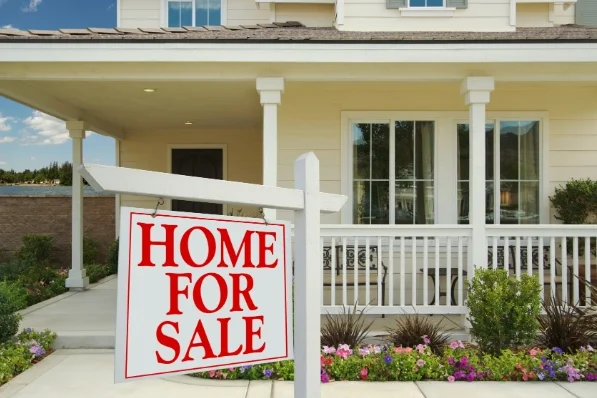
Yes, a new roof will increase a home’s resale value, and industry cost-versus-value estimates have often placed the amount recovered from an asphalt roof replacement around 60 to 70 percent of the project’s cost. The actual return varies based on the local real estate market, condition of the previous roof, materials used, and the home itself. A new roof also improves curb appeal and gives buyers added confidence during a home inspection, which may help make the sale process easier.
For homeowners planning to sell in the next few years, a roof replacement can offer value in more than one way: by giving you confidence in a sound roofing system while you own the home and by increasing buyer appeal when it’s time to sell.
Making the Right Call for Your Home
Every roof tells its own story, and the right decision depends on age, damage, material, condition, and budget working together. Roofs by Bryan is a GAF Master Elite® Roofing Contractor, a designation GAF says only 2% of roofers in North America are invited to become, and that level of training shapes every inspection and every recommendation given to homeowners across the region.
Homeowners throughout Western New York, including Hamburg, Orchard Park, East Aurora, and the Southtowns, trust this team to explain exactly what’s happening with their roof and why. No guesswork, no upselling, just an honest answer about what your home actually needs. Contact Roofs by Bryan to schedule a free roof inspection and get a clear, straightforward answer about repair or replacement for your home.