Roofs by Bryan has watched Western New York storms test roofs for years, and we know exactly what holds up and what doesn’t. If you want to know how to protect your roof from storm damage, it starts long before the first storm warning hits your phone. Preparing now can save you from a much bigger headache later.
Buffalo-area weather doesn’t mess around. Between high winds, sudden hail, huge snowloads, and heavy rain, your roof takes a beating every season. The good news? Most storm damage is preventable or at least manageable when you know what to look for and act quickly.
This guide walks you through what storm-ready roofing actually looks like. We’ll cover inspections, materials, warning signs, and what to do the moment damage happens. By the end, you’ll know exactly how to keep your home protected when the next storm rolls through.
Why Storm Damage Hits Buffalo-Area Roofs So Hard
Western New York sits in a unique weather zone. Lake-effect storms bring fast-moving wind gusts, and hail can show up with little warning during spring storms. Older roofs or roofs with worn shingles take the brunt of it.
Roof storm damage isn’t always obvious right away. Wind can lift shingles without tearing them off completely, and small hail dents might not leak for weeks. That’s why understanding the early signs matters just as much as fixing the damage once you spot it.
How Do I Know If My Roof Has Hail Damage?
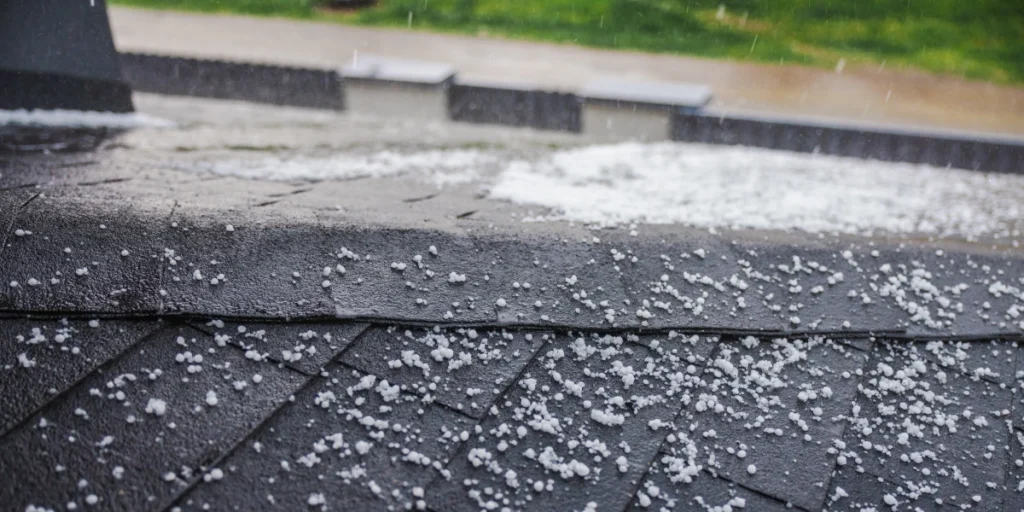
Hail damage often hides in plain sight. Look for small, round dents or bruises on your shingles, especially on the side of the roof that faced the storm. Granules from asphalt shingles may collect in your gutters or at the base of downspouts after a hailstorm.
You might also notice soft spots when you press on shingles or cracking around the edges. Asphalt shingle damage from hail weakens the shingle’s ability to protect your home, even if it doesn’t look severe right away. If you’re not sure what you’re looking at, a trained eye makes all the difference.
How Can I Tell If There’s Wind Damage to My Roof?
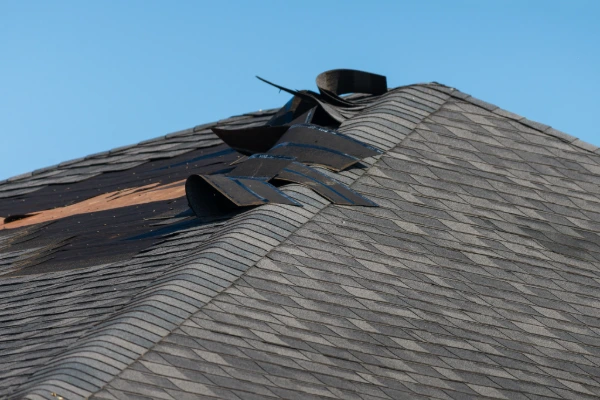
Wind damage shows up differently from hail. You’ll often see lifted or curled shingles, especially along roof edges and ridges where wind pressure is strongest. Missing shingles are the most obvious sign, but partially detached ones can be just as serious since they let water sneak underneath.
Check your yard and gutters after a windstorm. Granules, shingle pieces, or flashing debris on the ground are red flags. Yes, it’s normal to lose a few shingles in a strong storm. It doesn’t always mean your whole roof is failing, but it does mean it’s time for a closer look.
Should I Get My Roof Inspected Before or After Storm Season?
Both, honestly. A pre-season roof inspection helps catch weak spots, loose flashing, or aging shingles before a storm puts them to the test. Think of it as a checkup that prevents bigger problems down the road.
After a storm, a roof inspection confirms whether you have visible or hidden damage. Hidden damage is common with wind and hail since it doesn’t always show up from the ground. Scheduling a roof inspection both before and after storm season gives you the clearest picture of your roof’s condition year-round.
How Often Should I Have My Roof Inspected?
Most homeowners benefit from at least one roof inspection per year, ideally in the spring before storm season ramps up. If your area has had a rough winter or a particularly bad storm, it’s worth scheduling an additional check.
Roofs over ten years old need more frequent attention since materials naturally weaken with age. Regular inspections catch small issues, like a lifted shingle or worn flashing, before they turn into leaks or structural damage. It’s a simple habit that protects a major investment.
Will My Homeowners Insurance Cover Storm Damage?
Storm-related roof damage, including wind and hail, is covered by most homeowners’ insurance policies. Coverage details vary by policy and provider. Some policies have specific deductibles for wind or hail events, and older roofs may have limited coverage depending on their condition before the storm.
Documentation matters here. Photos of the damage, an inspection report, and a written repair estimate all support your claim. We always recommend reviewing your policy ahead of storm season so you understand exactly what’s covered before you need it.
What’s the Difference Between Minor and Major Storm Damage?
Minor damage usually includes a few lifted or missing shingles, small hail dents, or minor granule loss. These issues are real, but typically don’t compromise your roof’s overall protection right away.
Major damage involves larger sections of missing shingles, exposed roof decking, visible leaks inside your home, or structural sagging. This level of damage needs immediate attention since it puts your home at risk of water intrusion. A professional inspection is the only reliable way to tell which category your roof falls into.
Can a Damaged Roof Be Repaired, or Does It Need Full Replacement?
It depends on the extent and age of the damage. Localized damage, like a section of missing shingles or a small leak, often qualifies for a straightforward roof repair. We can typically isolate the damaged area, replace the materials, and seal it back up.
Widespread damage, or damage to a roof that’s already near the end of its lifespan, may call for a full roof replacement instead. Repeated patching of an aging roof often costs more over time than a complete replacement. We’ll walk you through both options honestly, based on what your roof actually needs.
How Long Does a Roof Repair Take After a Storm?
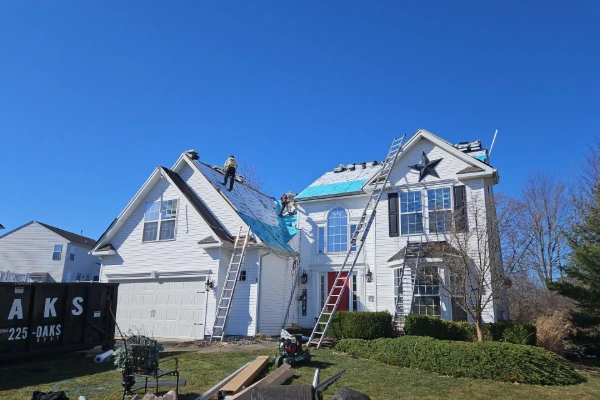
Most standard roof repairs take one to two days, depending on the size of the damaged area and weather conditions. Larger repairs involving multiple sections of the roof may take longer.
Emergency roof leak repair is often handled faster since the priority is stopping water from getting into your home. After the immediate threat is addressed, we can schedule a more detailed repair. Timelines also depend on material availability, so we always communicate realistic expectations upfront.
How Soon Should I Call a Roofer After Noticing Damage?
As soon as possible. Even minor damage left unaddressed can worsen with the next rainfall or windstorm. Small leaks turn into bigger ones, and exposed areas invite more water damage the longer they sit.
Calling quickly also helps with insurance timelines, since many policies require prompt reporting after a storm. A fast response from a roofer protects both your home and your claim.
What Roofing Materials Hold Up Best to Wind and Hail?
Asphalt shingles remain a popular choice for Western New York homes because they strike a good balance between durability and value. Impact-resistant shingle options are designed specifically to handle hail better than standard shingles.
For flat roofs, materials like EPDM and 2-Ply Mod Bit offer solid protection against wind-driven rain. We work with trusted manufacturers, including GAF, Owens Corning, and CertainTeed, all known for producing materials built to withstand the kind of weather Buffalo throws at them.
What Should I Look for When Choosing a Contractor for Storm Repair?
Look for a roofer with real experience in your area and a track record of following through on what they promise. A GAF-certified roofer, for example, has met higher standards for training and materials, which matters when storm damage repair needs to be done right the first time.
Ask how the work will be completed and who will be on-site managing it. We use subcontractors, and a project manager is on-site to keep everything on track. Asking this question is a smart move, and we’re always happy to walk you through exactly how our process works.
Why Roofs by Bryan Is the Right Call After a Storm
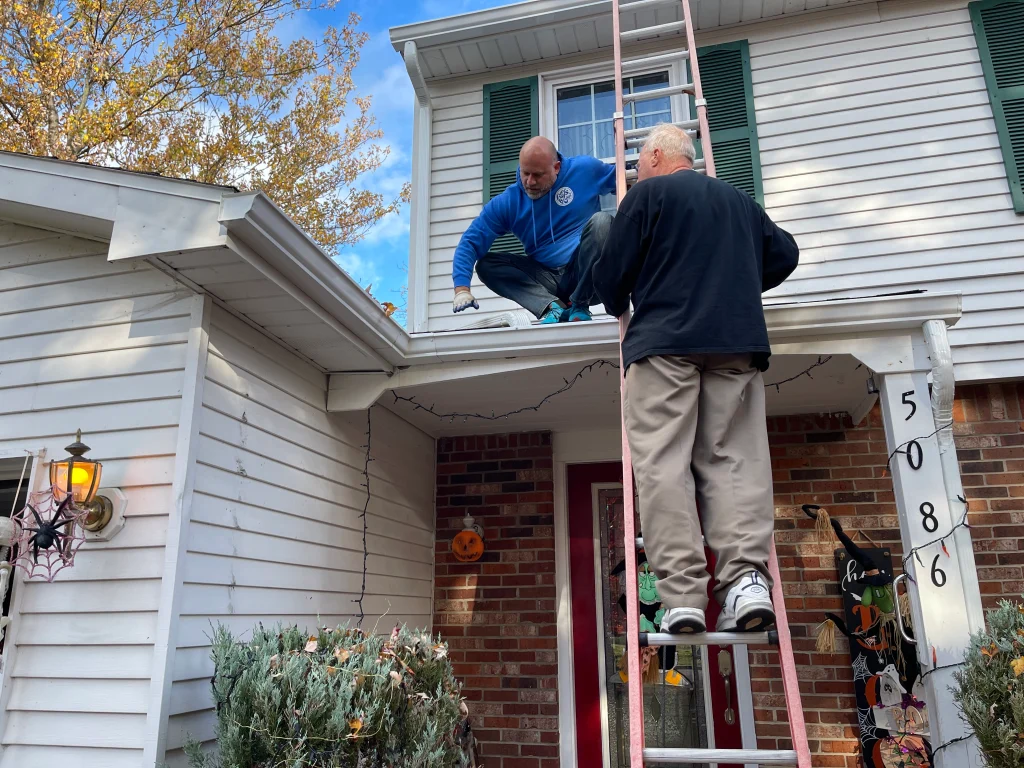
Bryan Tramontana started this company after years of working in the construction industry. As a home inspector, he often saw homeowners getting stuck with shoddy roofing work. That experience shapes everything we do today. We take time to understand your specific situation before recommending repair or replacement.
We’re proud to be in the top 2% of GAF-certified contractors, a recognition that reflects our commitment to quality materials and craftsmanship. Whether you’re dealing with asphalt shingle damage from a hailstorm or wind that tore loose a section of your roof, we’ll explain your options clearly and answer every question you have.
Safeguard Your Roof Before the Next Storm Hits
Storm-ready roofing isn’t about luck. It’s about regular inspections, quality materials, and knowing who to call when damage happens. Buffalo-area storms aren’t going anywhere, but a well-maintained roof can handle what they bring.
If you’ve noticed missing shingles, granule loss, or you simply want peace of mind before storm season, now’s the time to act. Contact Roofs by Bryan today to schedule a roof inspection or get a free roof replacement estimate. We’re known for doing things well, and your roof deserves nothing less.