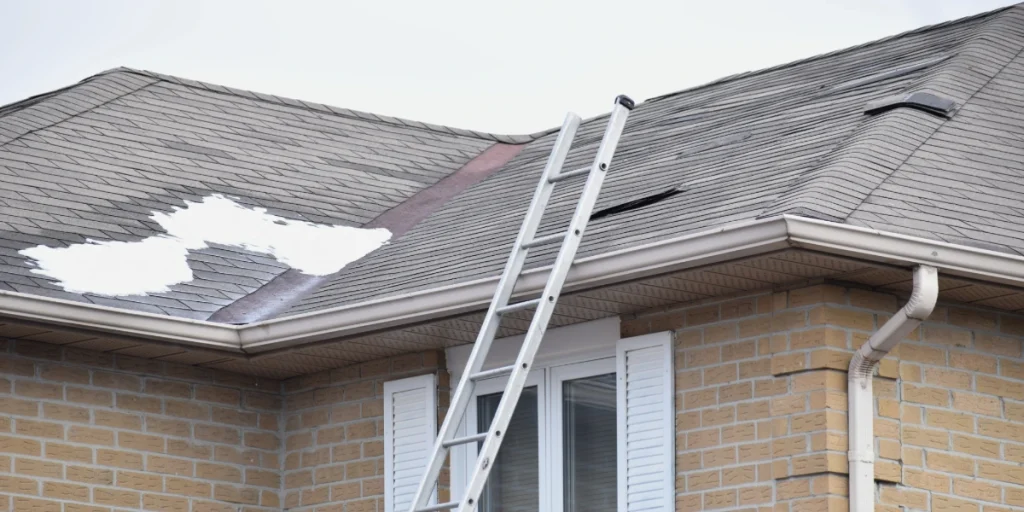
At Roofs by Bryan, we’ve seen it firsthand: winter roof damage in the Southtowns doesn’t always show up as a drip from the ceiling. Some of the most serious problems hide in plain sight, or stay completely out of view until warmer weather makes them worse. Western New York winters are hard on roofs. Between the lake-effect snow, freeze-thaw cycles, and the sheer weight that builds up over months, your shingles and structure take a real beating. The good news? If you know what to look for, you can catch problems early and avoid a much bigger repair bill down the road. Here are five signs of winter roof damage that most homeowners walk right past — and what each one actually means.
Sign #1: “Shingle Sand” Collecting in Your Gutters
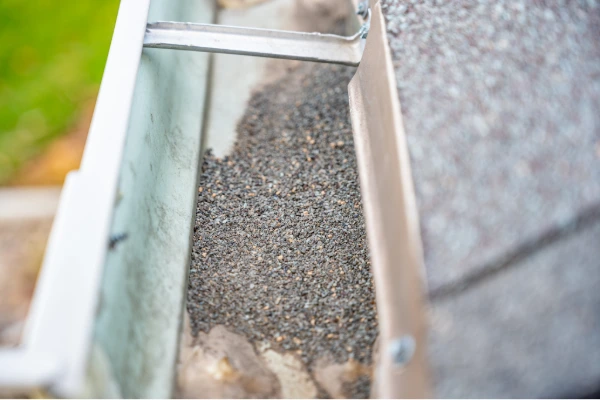
After a heavy thaw, it’s common to find dark, gritty material piled up at the base of your downspouts. That material isn’t dirt. It’s granules from your shingles, and finding them can be a sign of accelerated wear.
Why Granule Loss Is a Bigger Problem Than It Looks
Those granules aren’t decorative. They protect the asphalt layer underneath from UV rays and weather exposure. When heavy snow and ice slide off your roof, they scour the surface and knock granules loose. Once they’re gone, the asphalt underneath starts to dry out, crack, and age much faster than it should. Most homeowners miss this because the roof still looks intact from the ground. But if you’re seeing a noticeable amount of granule buildup in your gutters, it’s worth having a professional take a closer look.
Sign #2: A Wavy or Uneven Roofline
Once the snow melts, take a step back and look at your roofline from the street or from an angle. If it looks slightly wavy or dipped where it used to be straight, that’s not just the house “settling.”
What a Wavy Roof Is Actually Telling You
A distorted roofline after a heavy snow season usually points to one of two things: structural stress on a truss or rafter, or moisture damage to the decking — the plywood layer beneath your shingles. When ice dams form along the eaves and water backs up underneath the shingles, it can soak into that plywood and cause it to warp or delaminate. This kind of damage doesn’t fix itself. If you notice even a subtle wave in your roofline, don’t wait to get it checked out. Catching it early can mean the difference between a roof repair and a full replacement.
Sign #3: Frost or Rust on Attic Nail Heads
Most homeowners only climb into the attic when there’s a visible ceiling stain. But one of the most telling signs of winter roof damage shows up long before water ever reaches your drywall.
What Frosted or Rusty Nail Heads Mean for Your Roof
If you peek into your attic and notice frost or rust forming on the tips of roofing nails, that’s a sign of poor attic ventilation being pushed to its limit by cold temps. Warm, moist air rising from your living space hits those freezing metal nails and frosts over. When it thaws, it drips, and many homeowners mistake this for an actual roof leak. Over time, that repeated moisture cycle leads to mold growth inside the attic. By the time you see a stain on the ceiling, the damage is usually well underway. A quick attic check now can save you a serious headache later.
Sign #4: Gutters Pulling Away From the Fascia
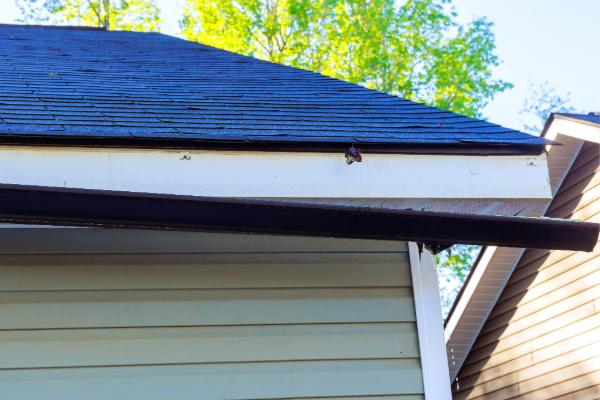
You may have used a roof rake to clear snow from the edges all winter. But if your gutters are still sagging or pulling away from the house, there’s likely something heavier at work.
Hidden Ice Is Often the Real Culprit
Even after the visible snow is gone, ice can remain packed inside the gutter trough. That weight, combined with the repeated expansion and contraction of freeze-thaw cycles, pulls the gutter away from the fascia board it’s attached to. When that gap opens up, even a fraction of an inch, water can run behind the siding and down toward your foundation. This is one of the more overlooked causes of basement dampness in the spring. If your gutters look like they’ve shifted, it’s worth inspecting the fascia for rot or water damage at the same time.
Sign #5: New Popping or Creaking Sounds During a Thaw
Every house makes noise. But if you’re hearing new groans, pops, or creaks that didn’t exist before the snow season, especially during a warming stretch, pay attention.
When Structural Noise Is a Warning Sign
Some settling is completely normal as temperatures rise and materials expand. But loud or unfamiliar sounds coming from the upper structure of your home during a thaw can sometimes point to stress on a truss or rafter that took on too much snow load over the winter. This sign is easy to dismiss because it doesn’t look like damage. There’s no stain, no sagging, nothing visible. But the noise is your house telling you something shifted. A roof inspection can confirm whether the structure is sound or whether there’s a problem that needs to be addressed before next winter.
Don’t Wait Until You See a Leak
Here’s the thing about winter roof damage: by the time it’s obvious, it’s usually more expensive to fix. Water stains, curling shingle edges, rusted gutters, slow-to-melt patches. These signs show up before a full-blown leak, but most homeowners don’t connect the dots until it’s too late.
The team at Roofs by Bryan has been inspecting and repairing roofs across the Southtowns since 2010. Bryan started the company as a former home inspector, and that background still shapes the way every job gets done: thorough, honest, and focused on what the homeowner actually needs.If you noticed any of these signs after this past winter, don’t put it off. Contact Roofs by Bryan today to schedule your free roof assessment. We’ll tell you exactly what we find and what, if anything, needs to be done. No pressure, no guesswork.